
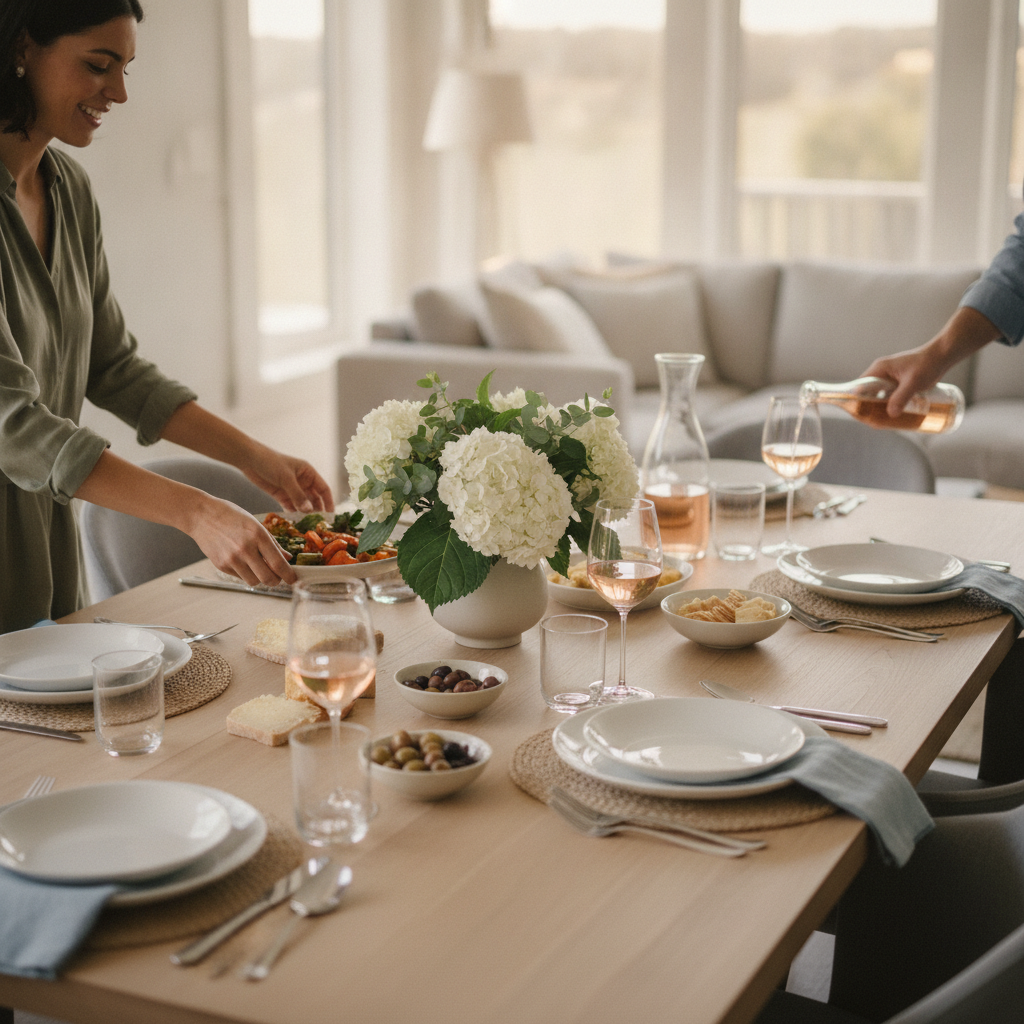
The best dinner parties feel effortless, but that ease is usually the result of a little smart planning. You do not need a chef's kitchen, a formal dining room, or a big budget to bring people together over good food. What you need is a plan that lets you actually enjoy your own party instead of hiding in the kitchen all night. Here is how to host an easy and memorable dinner party from start to finish.
Start With the Guest List and the Vibe
Before you think about food, think about people. The guest list shapes everything else. A cozy gathering of four to six friends feels intimate and easy to cook for, while a group of ten needs more structure and simpler dishes. Mix personalities thoughtfully so conversation flows naturally, and try to invite at least one person who is comfortable talking to anyone.
Decide on the tone early. Is this a laid-back weeknight supper, a celebratory feast, or a themed night? The vibe influences your menu, your playlist, and your table. Once you know the feeling you want, every other decision gets easier.
Plan a Menu You Can Actually Pull Off
The single biggest mistake new hosts make is trying to cook everything from scratch and plate it all fresh at the last minute. Instead, build a menu around dishes that can be made ahead.
Aim for this simple formula:
- One make-ahead starter (a dip, a soup, or a board of cheeses and olives)
- One main that holds well (a braise, a roast, a big pasta bake, or a curry)
- Two easy sides that can be prepped early
- One dessert you can make the day before
Braises, stews, and casseroles are your friends because they often taste better after resting. Choose one dish you feel confident cooking, and keep the rest simple. If someone offers to bring wine or dessert, say yes. Guests genuinely like to contribute.
Do not forget dietary needs. A quick text asking about allergies or preferences shows care and saves last-minute panic.
Set the Scene Without Overspending
Atmosphere does a lot of quiet work. Soft lighting instantly makes any room feel warmer and more inviting, so dim the overheads and lean on candles and lamps. A few affordable touches go a long way, and you can find unique pieces from independent makers in the handmade home decor section to give your table character.
You do not need matching dishes or a fancy centerpiece. A simple bunch of seasonal flowers, some greenery, or even a bowl of fruit works beautifully. Cloth napkins, a runner, and a couple of candles elevate the table with almost no effort. If you enjoy adding personal details, small handmade items like ceramic bowls or linen coasters make the setting feel considered and warm.
Keep a playlist ready before guests arrive. Music at a gentle volume fills the early awkward moments and keeps energy steady through the meal.
Prep a Timeline So You Are Not Rushing
A loose schedule is what separates a calm host from a frazzled one. Work backward from your serving time.
- Two days before: Shop, and make anything that keeps (dips, sauces, dessert).
- The day before: Chop vegetables, marinate proteins, set the table, and chill drinks.
- The day of: Cook the main, do final touches, and tidy the space.
- One hour before: Get dressed, light candles, pour yourself something, and take a breath.
By the time the doorbell rings, the hard work should be done. Your only job then is to greet people and refill glasses.
Make Guests Feel Welcome Immediately
The first five minutes set the tone. Greet each guest warmly, take their coat, and put a drink in their hand quickly. Have a simple nibble out so no one stands around hungry while you finish cooking. A small bowl of nuts, some crackers, or olives is plenty.
Introduce people to each other with a little context, such as a shared interest or a fun fact. This tiny effort helps strangers become friends and keeps you from playing referee all night.
Keep the Evening Flowing
Once everyone is seated, resist the urge to keep jumping up. Serve family style where possible so bowls and platters go around the table, encouraging interaction and reducing your trips to the kitchen. Family-style serving also feels generous and relaxed.
If conversation stalls, have a couple of easy prompts in mind, like a recent trip, a favorite show, or a memorable meal. The goal is connection, not a perfect performance. When something goes wrong, and it sometimes will, laugh it off. Guests remember how a night felt far more than whether the potatoes were slightly overcooked.
For stocking up on serving pieces, glassware, or hosting essentials, browse the SwiftyMart marketplace and keep an eye on current deals to save on the things you will use again and again. If you are planning something bigger, professional event services can help with catering or styling.
The Little Extras That Make It Memorable
Memorable does not mean expensive. It means personal. A handwritten place card, a signature cocktail named after the occasion, or a tiny parting gift can turn a good night into one people talk about. Even a shared toast or a round-the-table question creates a moment.
If you want to keep learning and refining your hosting skills, our blog has more ideas on entertaining, food, and home. Small, consistent touches build your reputation as the friend who throws the best gatherings.
FAQ
How far in advance should I send invitations? For a casual dinner, three to seven days is fine. For a special occasion or a larger group, aim for two to three weeks so people can plan.
What if I am not a confident cook? Choose one reliable main you have made before and supplement with store-bought sides, bread, and dessert. There is no shame in outsourcing part of the meal.
How much food should I make? Plan for slightly more than you think you need. A good rule is one generous main portion per person plus extra sides. Leftovers are a bonus, not a failure.
How do I handle guests with different diets? Ask ahead and build at least one dish everyone can eat. A hearty vegetable-based main often satisfies most preferences without extra work.
When should I clean up? Do a quick tidy before guests arrive, then leave the big cleanup for after they leave. Stopping mid-party to scrub pans pulls you away from the fun.
Final Thoughts
Hosting a great dinner party comes down to preparation and presence. When you plan a forgiving menu, prep ahead, and set a warm scene, you free yourself to actually enjoy the night alongside your guests. Keep it simple, add a personal touch or two, and remember that people come for the company far more than the courses. Pour the wine, relax, and let the evening unfold.