
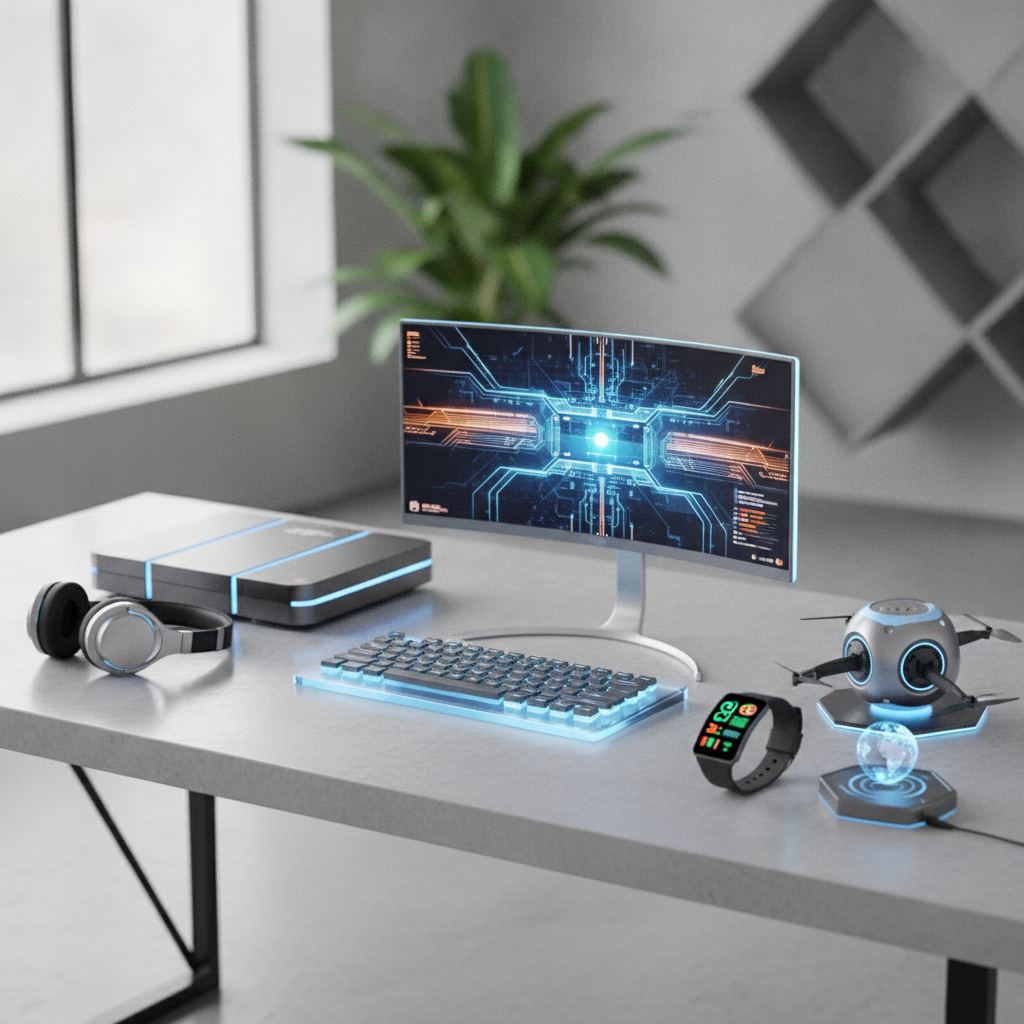
Every year brings a flood of shiny new devices promising to change your life. Most do not. But a handful of tech upgrades in 2026 offer real, lasting value: they save time, cut costs, protect your health, or simply make everyday moments smoother. This guide cuts through the marketing noise and focuses on what is actually worth the money, so you can spend wisely rather than impulsively.
How to Decide If an Upgrade Is Worth It
Before you tap "buy," run any purchase through three quick questions. Will you use it daily or near-daily? Does it solve a problem you actually have? And will it stay useful for at least three to four years? If a gadget passes all three, it is likely a smart buy. If it only checks one box, it is probably a want dressed up as a need.
The best upgrades tend to be the ones that quietly work in the background. A faster laptop that shaves minutes off every task, a mattress sensor that improves your sleep, or a router that ends buffering arguments at home. These pay dividends over time, unlike novelty devices that gather dust after a week.
Smart Home Tech That Earns Its Keep
The smart home category has matured. In 2026, the standout investments are the practical ones rather than the flashy ones.
- Smart thermostats and energy monitors. These consistently lower utility bills by learning your habits and trimming waste. The savings often cover the cost within a year or two.
- Modern mesh Wi-Fi systems. With more devices per household than ever, a reliable mesh network is no longer a luxury. It is the backbone of everything else you own.
- Smart security with local storage. Cameras and doorbells that store footage locally give you peace of mind without endless subscription fees.
If you are refreshing your space alongside your tech, pairing new devices with warm, tactile pieces keeps a home from feeling like a server room. Browse handmade home decor to balance the screens with something with soul.
Laptops, Phones, and the AI Factor
The biggest shift in personal computing is on-device AI. Newer laptops and phones now handle tasks like transcription, image editing, and drafting text locally, which means faster performance and better privacy. If your current device is more than four years old, upgrading in 2026 is one of the more justifiable splurges, especially if you work from your machine daily.
That said, resist the urge to buy the absolute top-tier model. The mid-range tier now offers most of the meaningful features at a far better price. For phones, prioritize battery health and software support length over camera megapixel counts you will never notice.
If you rely on your devices for a side hustle or business, consider investing part of your budget in skills and tools too. Explore services in data and AI or design and creative services to get more out of the hardware you already own.
Wearables and Wellness Tech
Health wearables have moved from step-counting toys to genuinely useful wellness tools. In 2026, the features worth paying for include sleep-stage tracking, heart-rate variability, and early alerts for irregular patterns. Used consistently, these can nudge better habits and surface issues worth discussing with a doctor.
Just remember that data alone does not make you healthier. The device is only as valuable as the changes you act on. If you find yourself glued to numbers rather than living, that is a sign the tech is working against your wellness rather than for it. Pair digital tracking with real-world self-care, like a quiet evening routine and quality handmade bath and beauty products that help you actually unwind.
Home Office and Productivity Upgrades
Remote and hybrid work are here to stay, so the home office remains a high-value place to invest.
- A quality monitor. A larger, sharper display reduces eye strain and boosts productivity more than almost any other single purchase.
- A good chair and standing desk. Not glamorous, but your back will thank you for years.
- A dedicated webcam and microphone. Clear audio and video signal professionalism on every call.
These upgrades are less about tech novelty and more about long-term comfort and output. If you are setting up a workspace or launching something new, digital resources can help. Take a look at digital ebooks and documents for templates and guides, or lessons and coaching services to sharpen a specific skill.
What to Skip in 2026
Just as important as knowing what to buy is knowing what to pass on. A few categories rarely justify the price:
- Ultra-premium flagship phones when a mid-tier model covers 90 percent of your needs.
- Single-purpose smart gadgets that duplicate something your phone already does.
- First-generation anything. Early adopters pay a premium to test buggy products. Waiting one cycle usually means lower prices and fewer headaches.
- Subscription-heavy hardware where the true cost hides in monthly fees rather than the sticker price.
Before any big purchase, it is worth checking current deals so you are not paying full retail for something that goes on sale predictably.
Making Your Budget Go Further
Smart spending is about sequencing. Upgrade the thing you use most first, then work down the list. Sell or recycle old devices to offset costs, and buy during major sale windows when possible. Consider refurbished models from reputable sellers for meaningful savings on nearly-new gear.
Finally, remember that technology is a tool, not a personality. The goal is a setup that fits your life, not a collection that impresses strangers. When you are ready to shop thoughtfully, the SwiftyMart marketplace is a good place to compare options and find both practical and handmade goods in one spot.
Frequently Asked Questions
How often should I upgrade my laptop or phone? For most people, every four to five years is reasonable. Upgrade sooner only if performance genuinely slows your work or if security updates stop being provided for your model.
Are smart home devices worth it if I rent? Yes, if you choose portable, non-permanent options. Smart plugs, mesh routers, and standalone cameras move with you and do not require installation you cannot undo.
Is on-device AI actually useful or just hype? For tasks like transcription, quick edits, and drafting, it is genuinely helpful and keeps data more private. Whether it is worth upgrading for depends on how much you do those tasks.
Should I buy refurbished tech? Refurbished gear from trusted sellers offers strong value and often includes a warranty. It is one of the easiest ways to stretch a tech budget without sacrificing quality.
Final Thoughts
The tech upgrades worth your money in 2026 are the ones that fade into the background and simply make life better: reliable Wi-Fi, a machine that keeps up with you, wearables that support real habits, and a comfortable workspace. Skip the hype, prioritize daily usefulness, and let your budget follow your actual needs. For more ideas on living well and spending smart, keep exploring the SwiftyMart blog.